The PM's Job Just Changed: What Claude Skills and Managed Agents Mean for How We Build Products


In October 2025, Anthropic launched Agent Skills — modular instruction packages (folders containing a SKILL.md file, optional scripts, and reference material) that Claude loads automatically when a task calls for it. Write once, reuse forever.
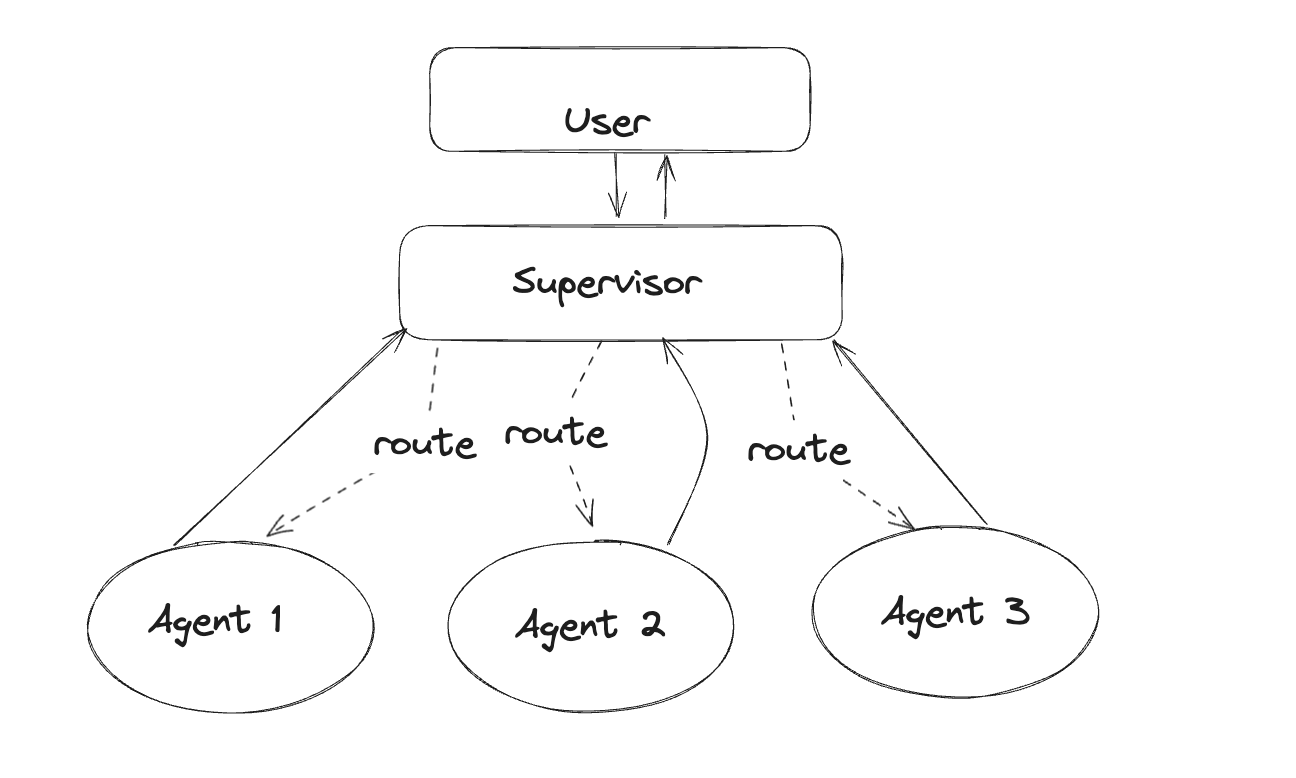
In April 2026, they followed with Claude Managed Agents — a managed infrastructure layer that handles the runtime: sandboxed execution, state management, credential handling, error recovery, checkpointing. The things that historically took teams three to six months to build and had nothing to do with the agent itself.
Skills let you package expertise. Managed Agents let you run that expertise autonomously, at scale, without building the runtime yourself.
A framework I use
When I evaluate whether to build something as a Skill versus a traditional feature, four questions:
Is this judgment or computation? Computation belongs in code. Judgment — the "how we do things here" layer — belongs in a Skill.
How often does the context change? If the underlying policy shifts quarterly, a Skill is better than a hardcoded rule. You can version it, roll it back, audit it.
Who needs to update it? If the answer is "a PM, a compliance lead, or a subject matter expert who doesn't code" — you want a Skill. Markdown files can be edited by anyone who writes clearly.
Is it reusable across the business? Brand voice, legal disclaimers, escalation rules, pricing policy. This is where Skills compound.
What this means for roadmaps
If you're a PM in 2026, your backlog probably has features scoped when "build an AI feature" meant "build a bespoke LLM integration." That scope is now wrong.
A personalization feature I would have scoped as an eight-week project last year now breaks into two tracks. A two-week skill authoring track (product and content leading, minimal engineering). A one-week implementation track where engineering wires up the runtime. Same outcome in three weeks instead of eight. Iterative cost drops to near zero because the skill is editable text, not compiled code.
The reframe: the PM's contribution used to be measured in well-written tickets and clean acceptance criteria. Now it's measured in well-authored skills. The artifact of product thinking is no longer a PRD that engineering translates. It's often a skill file that executes directly.
Where this breaks
Three honest cautions.
Skill sprawl is real. The community ecosystem already contains thousands of skills across official, third-party, and community sources. That's a governance issue waiting to happen. Who owns the skill? Who approves changes? What happens when two skills conflict? Write the governance before you write the second skill.
Managed Agents runtime costs add up. At $0.08 per session-hour plus standard token costs, a 24/7 agent runs about $58 per month in runtime alone before any inference. Trivial for one agent. Not trivial for fifty.
Security surface expands with capability. Any PM shipping agents in 2026 needs to be fluent in prompt injection, tool misuse, and agent-to-agent attacks. These are the new equivalent of input validation in the web era. More on this in a separate piece.
What I'd do Monday morning
Three steps, in order.
First, pick one well-understood, high-friction workflow in your product. Not the most ambitious one — the most boring one where you already know the right answer and just wish the system applied it consistently. That's your pilot skill.
Second, author it in plain markdown with your domain expert in the room. No engineering yet. If you can't write it down as a skill, you don't understand it well enough to build it as a feature either.
Third, validate the skill in isolation before you worry about runtime. Anthropic's pre-built skills for Word, Excel, PowerPoint, and PDF work the same way custom ones do. Study those first, then build.
The teams that win with this shift will be the ones that treat skill authorship as a core product competency, not an engineering afterthought. The shift from "we build features" to "we author behavior" is the shift of our decade.